

Navigating Jewelry Return Policies with Ease
- Alexavier Sheppard

- Aug 11, 2025
- 4 min read
Buying jewelry is often a special experience, whether it’s a gift, a personal treat, or a significant investment. However, sometimes the piece you choose might not be exactly what you expected. Knowing how to navigate jewelry return policies and understanding your jewelry exchange options can save you time, money, and frustration. This guide will walk you through everything you need to know to handle returns and exchanges smoothly.
Understanding Jewelry Exchange Options
When shopping for jewelry, it’s important to be aware of the different exchange options that stores offer. These options can vary widely depending on the retailer, the type of jewelry, and the condition of the item. Here are some common jewelry exchange options you might encounter:
Full Exchange: You return the original item and receive a completely different piece of jewelry of equal or greater value.
Store Credit Exchange: Instead of a refund, you get credit to use for future purchases.
Size or Style Exchange: You exchange the item for the same piece but in a different size or style.
Partial Refund with Exchange: Some stores offer a partial refund if you exchange the item for something of lesser value.
Knowing these options ahead of time can help you make an informed decision when purchasing jewelry. Always ask the retailer about their specific policies before completing your purchase.
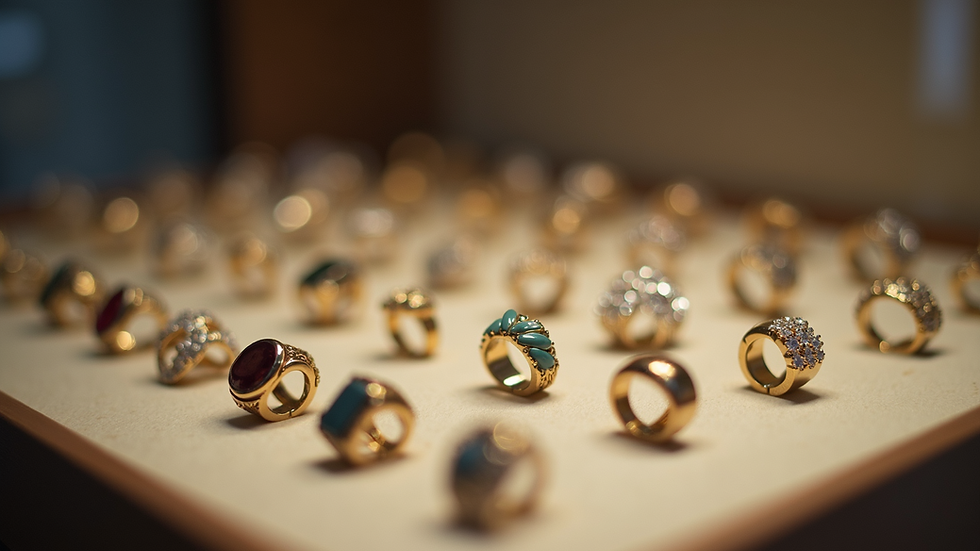
Key Factors to Consider Before Returning Jewelry
Returning jewelry is not always as straightforward as returning other products. Jewelry is often delicate, personalized, or custom-made, which can affect return eligibility. Here are some key factors to consider:
Condition of the Jewelry: Most stores require the jewelry to be in its original condition, unworn, and with all tags and packaging intact.
Time Frame: Return windows vary, typically ranging from 7 to 30 days. Some stores may offer extended periods during holidays.
Proof of Purchase: Always keep your receipt or order confirmation. Without proof of purchase, returns or exchanges may be denied.
Custom or Personalized Items: These are often non-returnable unless there is a defect.
Hygiene and Safety: Earrings and other pierced jewelry may have stricter return policies due to hygiene concerns.
By understanding these factors, you can avoid surprises and ensure your return or exchange goes smoothly.
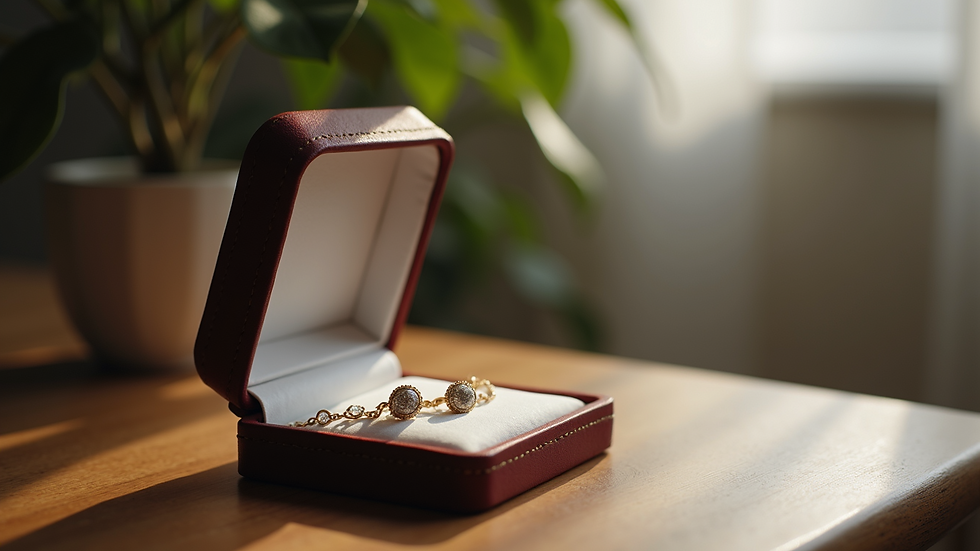
Do Jewelry Stores Allow Returns?
The answer to this question depends on the store and the type of jewelry purchased. Many reputable jewelry stores do allow returns, but the policies can be strict. Here’s what you should know:
Retail Chains vs. Independent Jewelers: Large retail chains often have standardized return policies, while independent jewelers may have more flexible or customized policies.
Online vs. In-Store Purchases: Online purchases usually come with a return policy that allows you to send the item back within a certain period. In-store purchases may require you to return the item to the physical location.
Defective or Damaged Items: Most stores will accept returns or exchanges if the jewelry is defective or damaged upon receipt.
Final Sale Items: Some items, especially those on clearance or sale, may be marked as final sale and not eligible for return.
Before making a purchase, it’s wise to ask the store directly about their return policy. This can help you avoid any misunderstandings later.

How to Make the Return or Exchange Process Easier
Returning or exchanging jewelry can be a hassle if you’re not prepared. Here are some practical tips to make the process easier:
Keep All Packaging and Documentation: Save the original box, tags, and receipt.
Inspect Jewelry Upon Receipt: Check for any defects or damage immediately.
Understand the Store’s Policy: Read the jewelry return policy carefully before purchasing.
Contact Customer Service Early: If you have questions or issues, reach out to the store’s customer service promptly.
Use Insured Shipping for Returns: If returning by mail, use a trackable and insured shipping method.
Be Polite and Patient: Customer service representatives are more likely to help if you remain courteous.
Following these steps can help you avoid common pitfalls and ensure a smooth return or exchange.
Tips for Choosing Jewelry with Return Policies in Mind
To minimize the need for returns, consider these tips when shopping for jewelry:
Know Your Measurements: For rings and bracelets, get professionally measured.
Ask About Customization: Understand if custom pieces can be returned or exchanged.
Check Reviews: Look for feedback on the store’s return process.
Buy from Reputable Retailers: Established stores often have clearer and fairer policies.
Consider Insurance: For expensive pieces, insurance can protect your investment.
By being proactive, you can enjoy your jewelry purchase with confidence.
Final Thoughts on Jewelry Exchange Options and Returns
Navigating jewelry return policies doesn’t have to be stressful. By understanding your options, knowing what to expect, and preparing ahead, you can handle returns and exchanges with ease. Remember to always check the specific jewelry return policy of the store you’re buying from and keep all documentation safe. This knowledge empowers you to shop smart and enjoy your beautiful jewelry for years to come.


Comments